
Importance of Flat Roof Maintenance Plans and Roof Maintenance Strategies
Flat roofs are a common choice for commercial and industrial buildings, schools, hospitals, and military installations across Texas. Their design offers many advantages, including cost-effectiveness and ease of installation. However, flat roofs require consistent care to perform well over time. I want to share why a flat roof maintenance plan is essential and how effective roof maintenance strategies can protect your investment.
Why Roof Maintenance Strategies Matter
Flat roofs face unique challenges. Unlike sloped roofs, water does not drain off quickly. This can lead to pooling, leaks, and structural damage if not addressed. Implementing roof maintenance strategies is not just about fixing problems after they occur. It’s about preventing issues before they start.
Regular inspections and upkeep extend the life of your roof. They reduce costly repairs and avoid unexpected downtime for your facility. I recommend scheduling routine checks at least twice a year, ideally in spring and fall. These inspections catch minor issues early, saving you money and stress.
A solid roof maintenance strategy includes:
Cleaning debris and drains to prevent blockages
Checking for cracks, blisters, or punctures in the roofing membrane
Inspecting seals around vents, skylights, and HVAC units
Repairing minor damage promptly to stop leaks
Documenting all inspections and repairs for future reference
By following these steps, you maintain a strong barrier against Texas weather extremes, from intense sun to heavy rain.
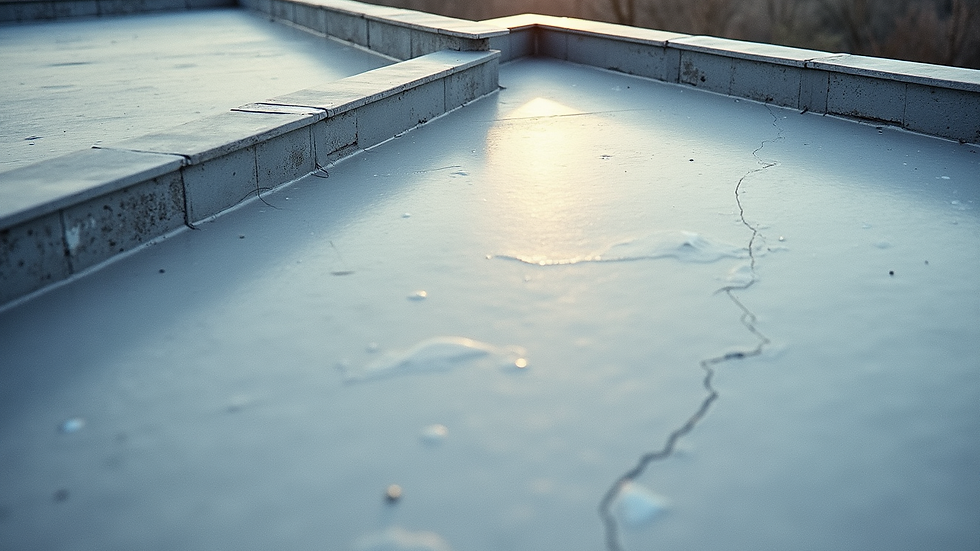
What are the common problems with flat roofs?
Understanding common flat roof problems helps you focus your maintenance efforts. Here are the most frequent issues I encounter:
Water Ponding
Flat roofs are prone to water pooling because they lack a steep slope. Standing water accelerates membrane deterioration and can cause leaks.
Membrane Damage
The roofing membrane can develop cracks, blisters, or punctures due to weather, foot traffic, or mechanical damage. These defects allow water infiltration.
Drainage Issues
Blocked or damaged drains and scuppers prevent proper water flow. This leads to ponding and structural stress.
Seam Failures
Seams between membrane sheets can separate or degrade over time. This is a common leak source.
UV and Weather Exposure
Texas sun and storms cause membrane aging and material breakdown. UV rays make roofing materials brittle.
Improper Installation or Repairs
Poor workmanship can cause premature roof failure. It’s critical to use experienced professionals for installation and repairs.
Knowing these problems helps me prioritize inspections and repairs. Addressing them early keeps your roof watertight and durable.
How a Flat Roof Maintenance Plan Protects Your Investment
A flat roof maintenance plan is a proactive approach to roof care. It outlines scheduled inspections, cleaning, and repairs tailored to your building’s needs. Here’s why it’s indispensable:
Cost Savings: Regular maintenance prevents small issues from becoming expensive repairs or full roof replacements.
Extended Roof Life: Consistent care can add years to your roof’s lifespan.
Safety: Well-maintained roofs reduce the risk of leaks that can cause mold, structural damage, or safety hazards.
Compliance: Many commercial properties must meet building codes and insurance requirements that include roof maintenance.
Peace of Mind: Knowing your roof is monitored and cared for reduces stress and unexpected disruptions.
I always advise clients to invest in a maintenance plan. It’s a smart business decision that protects your property and budget.

Practical Tips for Effective Roof Maintenance
Implementing roof maintenance strategies requires attention to detail and consistency. Here are actionable tips I recommend:
Schedule Regular Inspections: Twice a year is ideal, plus after major storms.
Keep Roof Clean: Remove leaves, dirt, and debris that clog drains and damage membranes.
Check Drainage Systems: Ensure drains, gutters, and scuppers are clear and functioning.
Repair Promptly: Fix cracks, blisters, or punctures as soon as you spot them.
Limit Roof Traffic: Restrict access to essential personnel and use walk pads to protect the membrane.
Document Everything: Keep detailed records of inspections, repairs, and maintenance activities.
Hire Professionals: Use experienced roofing contractors for inspections and repairs to ensure quality work.
Following these tips helps maintain a strong, leak-free roof that withstands Texas weather.
Long-Term Benefits of Roof Maintenance Strategies
Investing in roof maintenance strategies delivers long-term advantages beyond immediate repairs. Here’s what you gain:
Improved Energy Efficiency: A well-maintained roof reflects heat better and insulates your building, reducing cooling costs.
Higher Property Value: Buildings with documented roof care attract buyers and tenants.
Reduced Liability: Preventing leaks and structural damage lowers the risk of accidents and insurance claims.
Sustainability: Extending roof life reduces waste and environmental impact from premature replacements.
These benefits align with the goal of keeping your commercial or industrial property safe, efficient, and valuable.
Flat roofs are a critical asset for many Texas facilities. Without proper care, they can quickly become a liability. Implementing a comprehensive roof maintenance strategy and investing in a flat roof maintenance plan ensures your roof remains durable and reliable. Don’t wait for problems to arise. Take action now to protect your building and your bottom line.



Comments