Key Insights into Flat Roof Upkeep Strategies
- Lee Martin
- Aug 13
- 4 min read
Flat roofs are a common choice for commercial and industrial buildings, schools, hospitals, and military installations. Their design offers many advantages, but they also require specific care to remain durable and functional. I want to share key insights into flat roof upkeep strategies that help protect your investment and extend the life of your roofing system.
Flat roofs face unique challenges. Water drainage is slower, and Texas weather can be harsh. That means regular maintenance is not optional. It is essential. A well-executed flat roof upkeep strategy prevents costly repairs and unexpected leaks. Let’s dive into what you need to know.
Essential Flat Roof Upkeep Strategies
Maintaining a flat roof demands a proactive approach. Here are the core strategies I recommend:
Regular Inspections: Schedule inspections at least twice a year, ideally in spring and fall. Look for cracks, blisters, ponding water, and damaged flashing. Early detection saves money.
Clean Debris: Remove leaves, dirt, and other debris promptly. Debris blocks drains and causes water to pool, accelerating wear.
Check Drainage Systems: Ensure drains, scuppers, and gutters are clear and functioning. Water must flow off the roof quickly.
Repair Minor Damage Immediately: Small cracks or punctures can turn into major leaks. Use appropriate sealants or patches without delay.
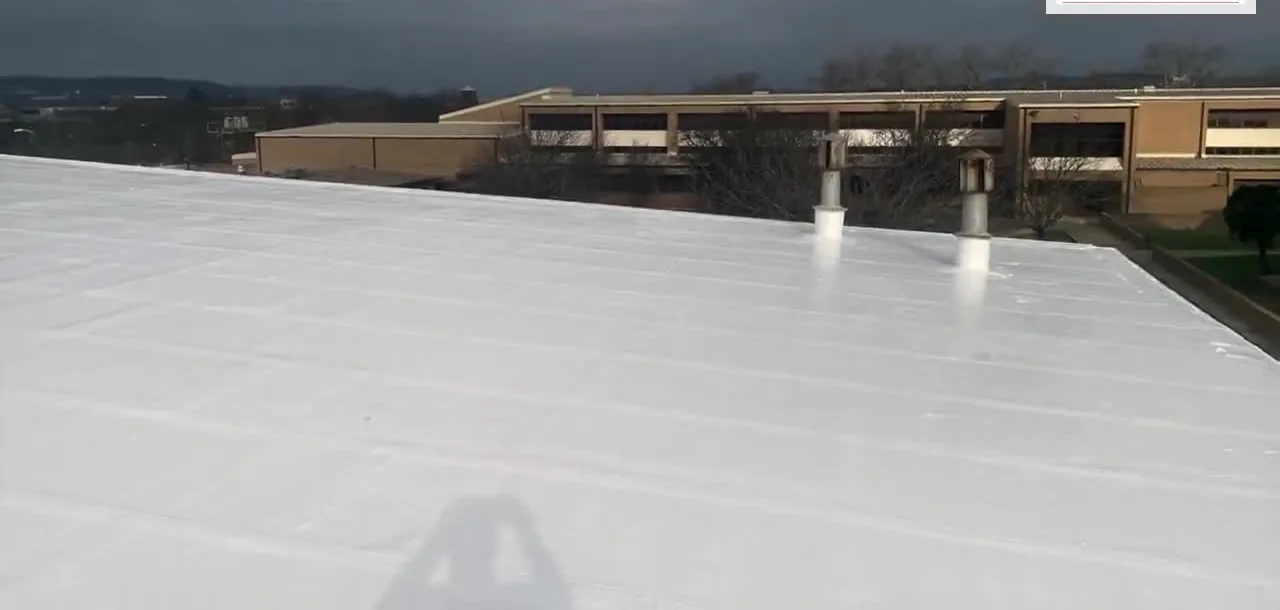
Maintain Roof Coatings: Reapply reflective or protective coatings as recommended. These coatings protect against UV rays and weather damage.
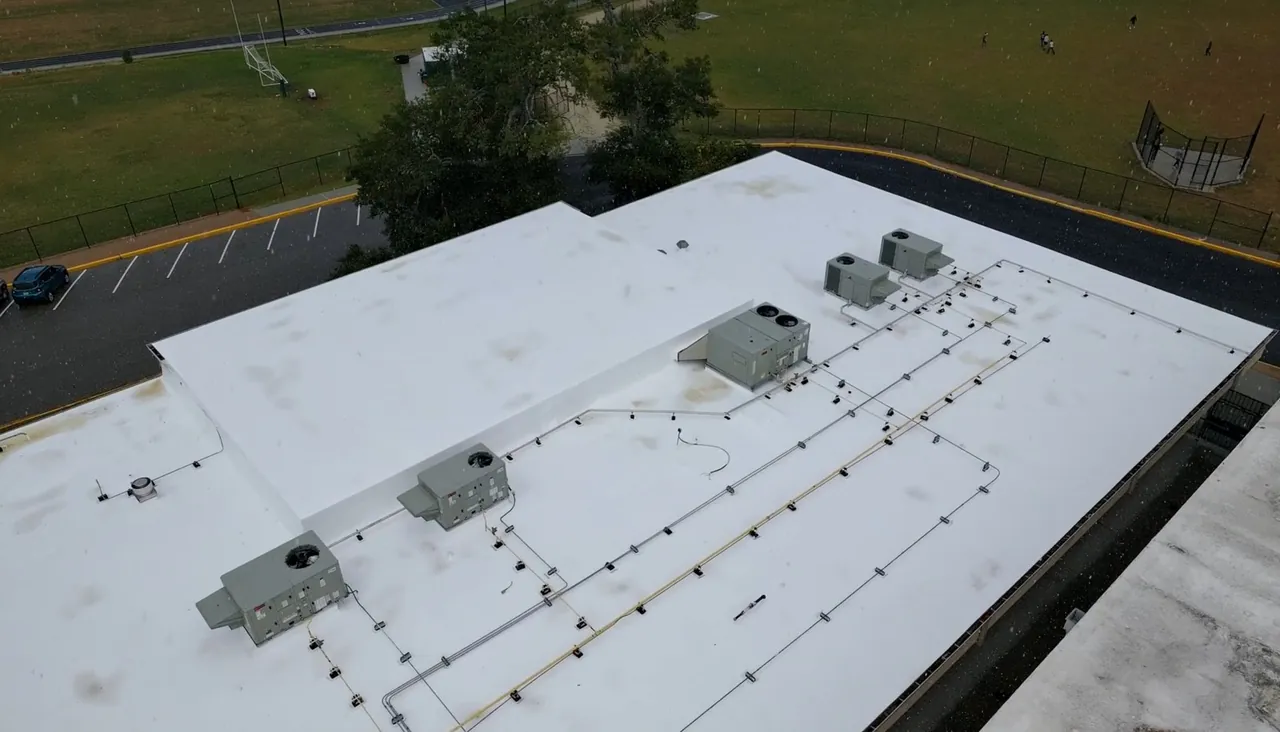
Monitor Roof Penetrations: Inspect around HVAC units, vents, and skylights. Seal any gaps or cracks to prevent leaks.
These strategies form the backbone of a solid flat roof upkeep plan. They reduce risks and extend roof life. But how do you organize these tasks efficiently? That’s where a flat roof maintenance plan comes in.

What Color Roof Increases Home Value?
While this question often applies to residential properties, color choice can also impact commercial buildings. A roof’s color affects energy efficiency and curb appeal. For flat roofs, light colors like white or light gray are popular. Why?
Reflect Heat: Light colors reflect sunlight, reducing cooling costs in hot climates like Texas.
Extend Roof Life: Lower surface temperatures reduce thermal expansion and contraction, minimizing damage.
Improve Appearance: A clean, bright roof looks well-maintained and professional.
Dark roofs absorb heat, increasing energy bills and stressing roofing materials. Choosing the right color is a simple but effective part of your upkeep strategy. It supports durability and can enhance property value.
How to Develop a Flat Roof Maintenance Plan
Creating a flat roof maintenance plan is about scheduling, documentation, and action. Here’s how I approach it:
Assess Your Roof: Start with a thorough inspection by a qualified roofing professional. Identify current issues and potential risks.
Set Inspection Frequency: Plan inspections twice a year, plus after severe weather events like storms or hail.
Create a Checklist: Include all critical components - membrane condition, flashing, drains, coatings, and penetrations.
Schedule Cleaning and Repairs: Assign regular cleaning dates and budget for minor repairs.
Document Everything: Keep detailed records of inspections, repairs, and maintenance activities. This helps track roof health and supports warranty claims.
Train Staff: If you have on-site maintenance teams, train them to spot early signs of damage.
Partner with Experts: Work with a trusted roofing contractor for inspections and repairs. Their expertise ensures quality and compliance.
A flat roof maintenance plan is not just paperwork. It is a living document that guides your upkeep efforts. It keeps your roof in top shape and protects your investment.

Common Flat Roof Problems and How to Avoid Them
Understanding common issues helps you prevent them. Here are the top problems I see and how to avoid them:
Ponding Water: Flat roofs must drain properly. Ponding water causes leaks and membrane deterioration. Keep drains clear and consider adding tapered insulation if drainage is poor.
Membrane Damage: UV rays, foot traffic, and weather cause cracks and blisters. Use protective coatings and limit rooftop access.
Flashing Failures: Flashing seals roof edges and penetrations. Damaged flashing leads to leaks. Inspect and reseal flashing regularly.
Seam Separation: Seams between membrane sheets can separate over time. Inspect seams and repair any gaps immediately.
Debris Accumulation: Leaves and dirt clog drains and trap moisture. Clean your roof regularly.
Avoiding these problems requires vigilance and routine care. A flat roof maintenance plan helps you stay ahead of these issues.
Maximizing Roof Longevity with Proactive Care
Flat roofs can last 20 years or more with proper care. Here’s how to maximize your roof’s lifespan:
Invest in Quality Materials: Durable membranes and coatings resist weather and wear.
Schedule Preventive Maintenance: Don’t wait for leaks. Regular upkeep prevents damage.
Address Issues Promptly: Fix small problems before they escalate.
Monitor Weather Impact: After storms, inspect your roof for damage.
Plan for Replacement: Know your roof’s expected lifespan and budget for eventual replacement.
Proactive care saves money and downtime. It ensures your roof performs well through Texas heat, storms, and heavy use.
Flat roof upkeep strategies are essential for protecting your commercial or industrial property. A well-crafted flat roof maintenance plan keeps your roof strong, leak-free, and energy-efficient. Follow these insights to safeguard your roofing investment and maintain a safe, professional building environment.


Comments